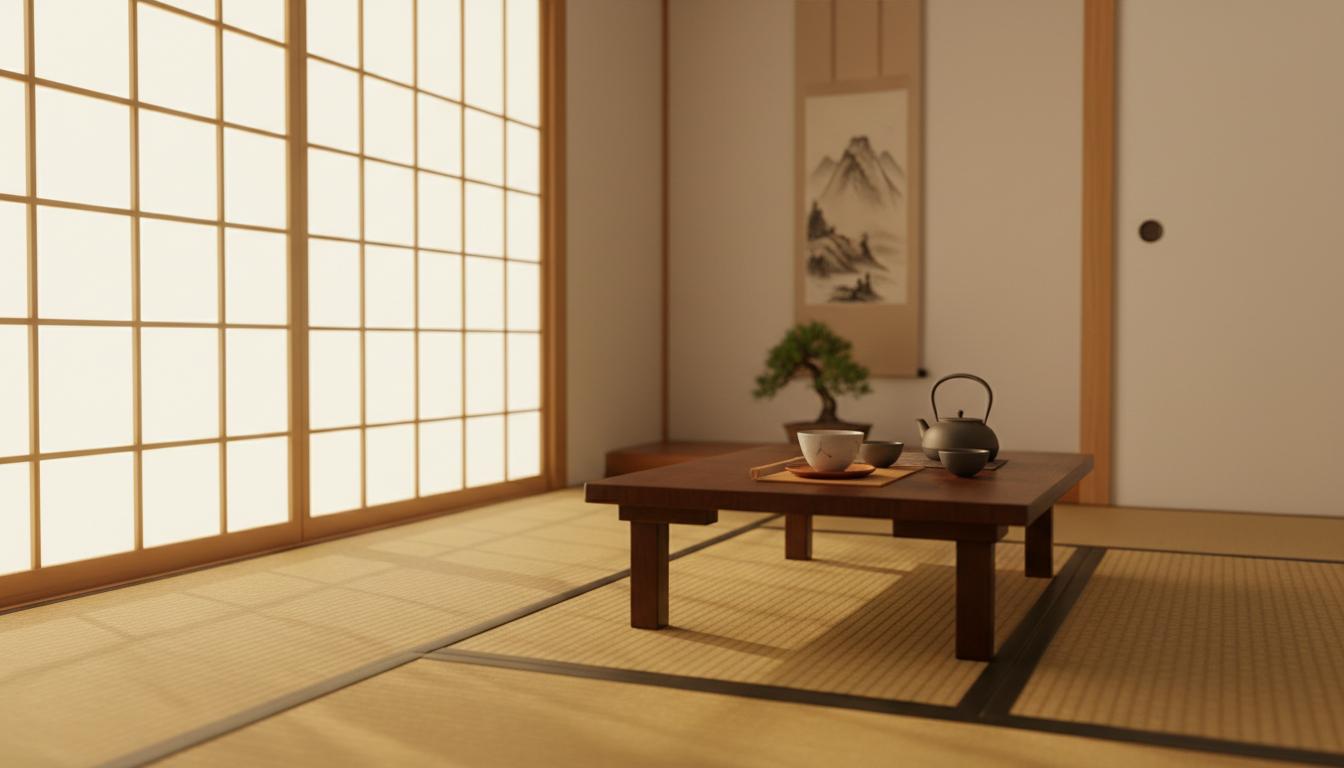
Japan isn't a place you visit. It's a pace you settle into.

At three in the morning, when the rest of the city has gone dark and silent, the konbini is still lit up like a small planet of its own. You push through the glass doors and a soft electronic chime announces your arrival, not as a customer to be scrutinized, but as a person who needed something and found a place where need is never questioned. The fluorescent lights inside are bright but not harsh, casting a clean white glow over shelves that have been restocked since midnight by workers who will never know your name but have already ensured that your favorite onigiri is waiting in the corner of the refrigerated case.
There is something profound about a space that asks nothing of you. You don't have to buy anything to stand near the hot food case and warm your hands. You don't have to explain why you're awake at this hour, why you're wearing a suit that smells like a fourteen-hour shift, why you're staring at the same shelf of instant ramen for ten minutes without moving. The clerk behind the counter might look up, might offer a quiet "irasshaimase," but there's no urgency in it, no demand. It's simply an acknowledgment that you exist and that this place exists for you.
I've spent years thinking about why Japanese convenience stores feel so different from their counterparts anywhere else in the world. It's not just the quality of the food, though that is undeniably part of it. It's not just the cleanliness, though you'll never find a floor that sticks to your shoes. It's something deeper, something that has to do with the way a konbini understands its role in the rhythm of a neighborhood. It is always there. It never judges. It simply works. Read the full essay →
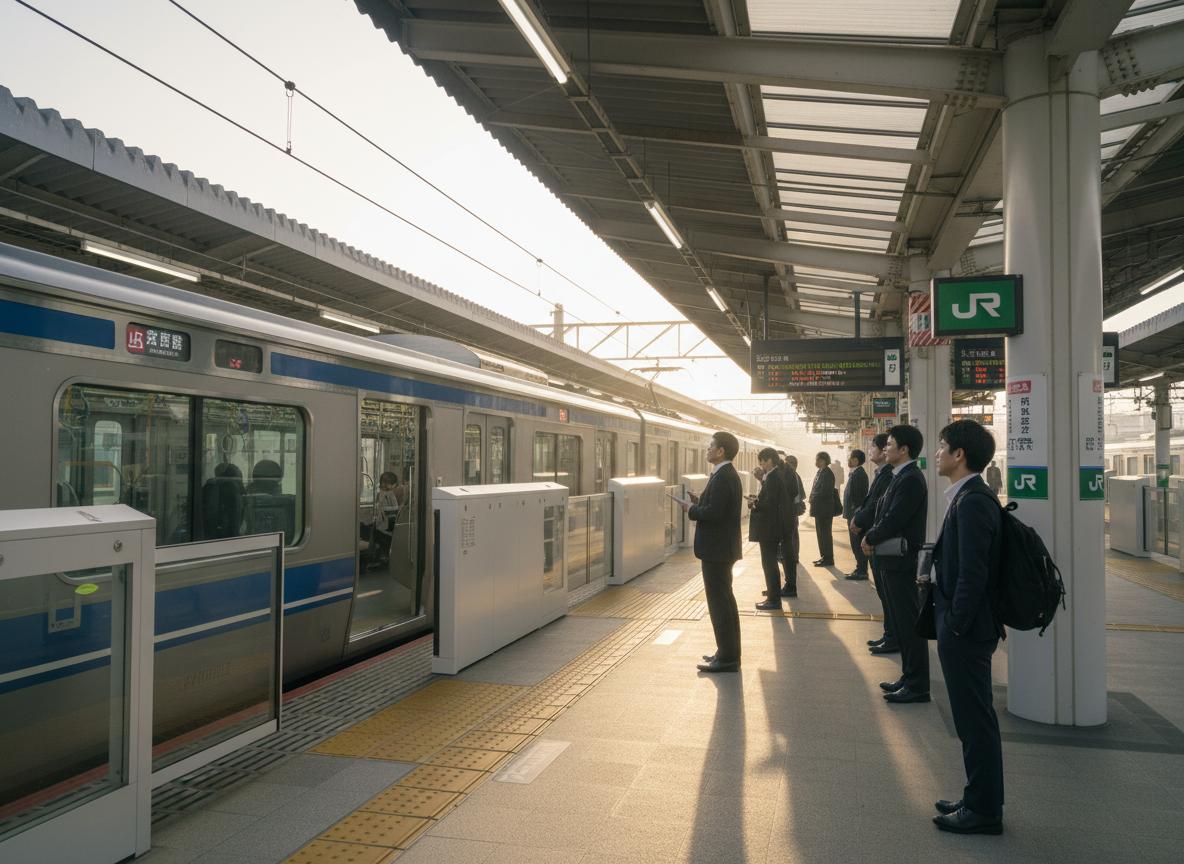
Every station on the JR network has its own melody, a few seconds of composed notes that play just before the train doors slide shut, and if you ride the same line long enough, you begin to recognize where you are without ever looking up from your book. The chime at Musashi-Itsukaichi station plays a fragment of "Kaerubachi no Uta" because the composer once lived nearby, and when you hear those first few notes through the platform speakers, you're not just being warned that the train is about to depart. You're being told something about the history of the place, about the people who lived here and the music they left behind.
There's a particular kind of silence on a Japanese train in the early morning that you won't find anywhere else on earth. It's not the absence of sound, exactly. The wheels make their rhythmic clatter against the rails, the ventilation system hums at a constant low frequency, and every few minutes a polite recorded voice announces the next station in that distinctive cadence that all train announcers seem to share. But the silence is human. Dozens of people packed into a narrow steel car, and no one is speaking. No one is eating. No one is playing music without headphones. The collective agreement to be quiet is so complete, so unquestioned, that after a while you stop noticing it altogether.
I used to think that Japanese trains ran on time because of superior engineering or better infrastructure, and certainly those things help. But after years of riding these lines, I've come to believe that the real reason is simpler and more beautiful than that. The trains run on time because everyone agrees that they should. The passengers arrive when the schedule says they should arrive. The conductors follow procedures that have been refined over decades. The system works because millions of people participate in its working, every single day, without ever needing to be reminded. Read the full essay →
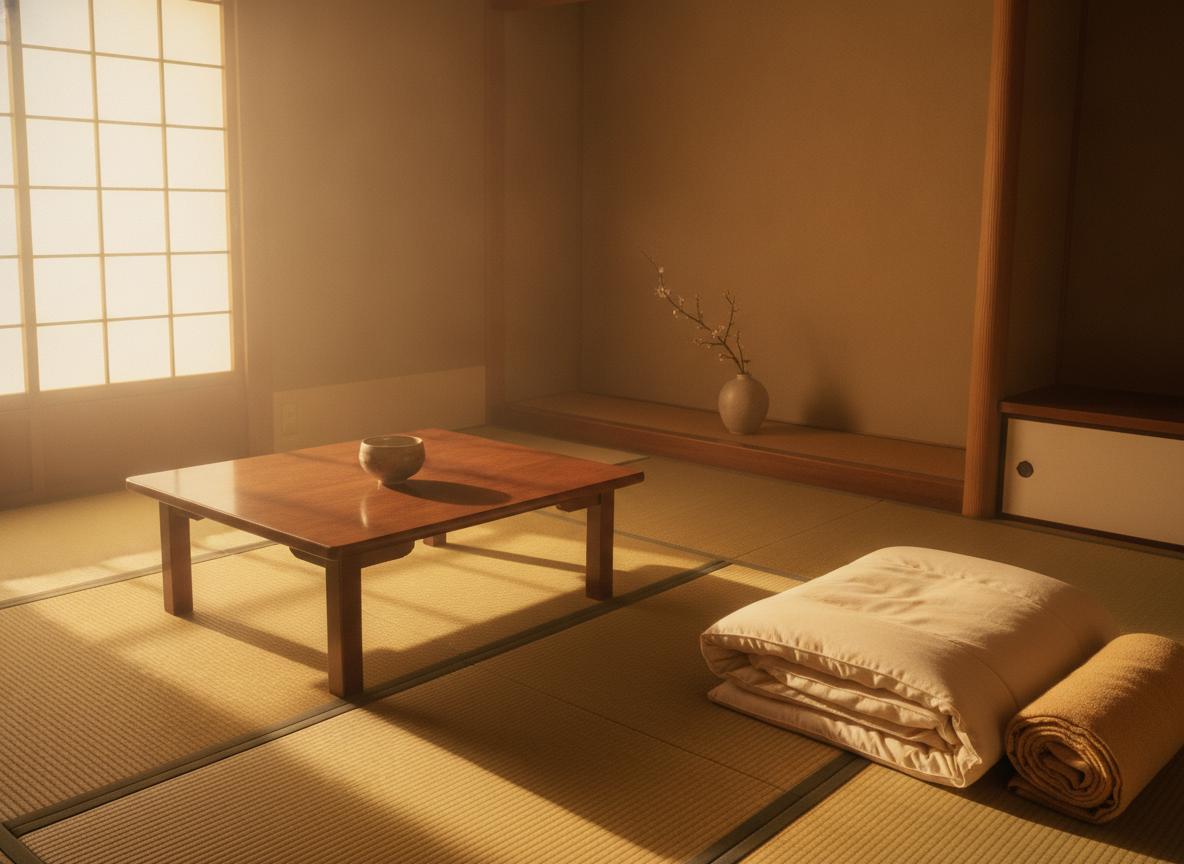
The first thing you notice, if you wake up in a Japanese home, is the quality of the light. It doesn't pour in like it does through Western windows. It seeps. The shoji screens diffuse the morning sun into something softer, something that spreads across the tatami floor in a pale golden wash that makes the straw mats look like they've been brushed with honey. This light is temporary in a way that electric light never is. It changes by the minute, shifting from gold to white to a pale amber as the sun rises higher, and if you pay attention, you can watch a room transform itself before you've even finished your first cup of coffee.
Japanese mornings have a soundscape all their own, a layered composition that begins before you're fully awake. There's the creak of bicycles as early commuters roll past your window, the rhythmic click of pedals and the occasional bell. Crows call to each other from the electrical wires with that rough, authoritative voice that crows seem to have everywhere in the world but which somehow sounds more deliberate here. If you live near a school, you'll hear the distant chime of the morning bell, and then the scattered sounds of children's voices carrying across the quiet neighborhood.
What I've come to understand, after years of living in Japan and returning to the same small apartment in Kanazawa each time I come back, is that Japanese mornings feel slower not because they actually are, but because they ask you to notice them. The light asks you to look at it. The sounds ask you to listen. The rituals of morning, from hanging laundry on the balcony to rinsing out the bath, ask you to be present in a way that rushing through a bowl of cereal and running out the door simply doesn't. Read the full essay →
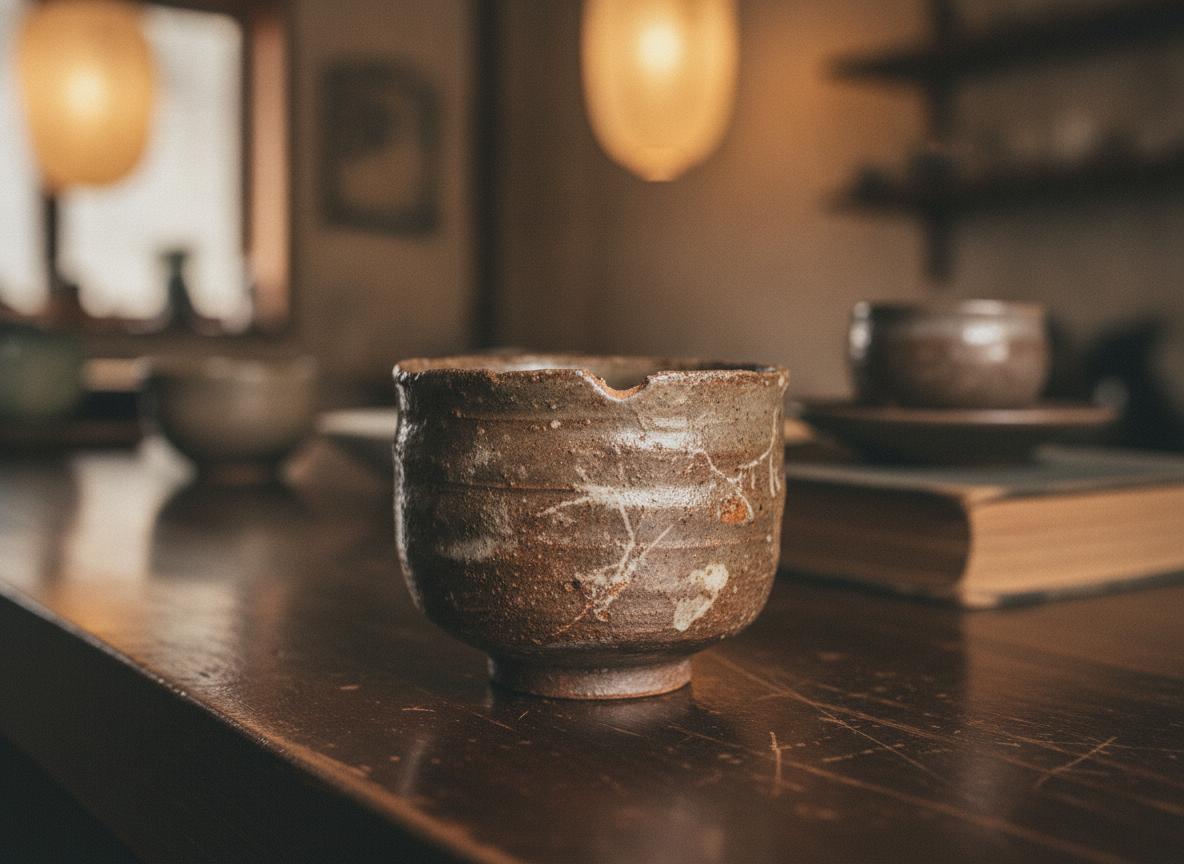
The chipped coffee cup sat on the counter of the kissaten for as long as I'd been coming there, which was going on three years by the time I finally asked the owner about it. It was a simple ceramic mug, cream-colored with a thin blue line around the rim, and the chip was small, no bigger than a grain of rice, on the outer edge where someone's lip would never touch. Most cafes in other countries would have thrown it away. The owner told me, with a shrug that conveyed an entire philosophy, that it still worked fine. That was all. It still worked fine.
We in the West have been sold a strange idea of what wabi-sabi means. We've translated it into "rustic charm" or "perfectly imperfect" and slapped it on ceramic bowls at upscale home goods stores, charging extra for the rough edges that someone carefully manufactured to look accidental. But the real thing, the thing you encounter in actual Japanese life, has nothing to do with aesthetics as we understand them. It's not about making things look a certain way. It's about a relationship with time, with use, with the reality that everything changes and everything eventually ends, and that this is not a tragedy but simply the way things are.
I've seen wabi-sabi in a train seat worn smooth by thousands of commuters, the fabric polished to a soft sheen in the exact shape of human thighs. I've seen it in a building facade left to weather rather than repainted, the wood silvering in the rain and sun until it looked like it had grown there instead of being built. I've seen it in autumn leaves left unswept on a temple path, allowed to brown and curl and crumble because that, too, is part of what they are. Wabi-sabi is not something you buy. It's something you allow yourself to see. Read the full essay →